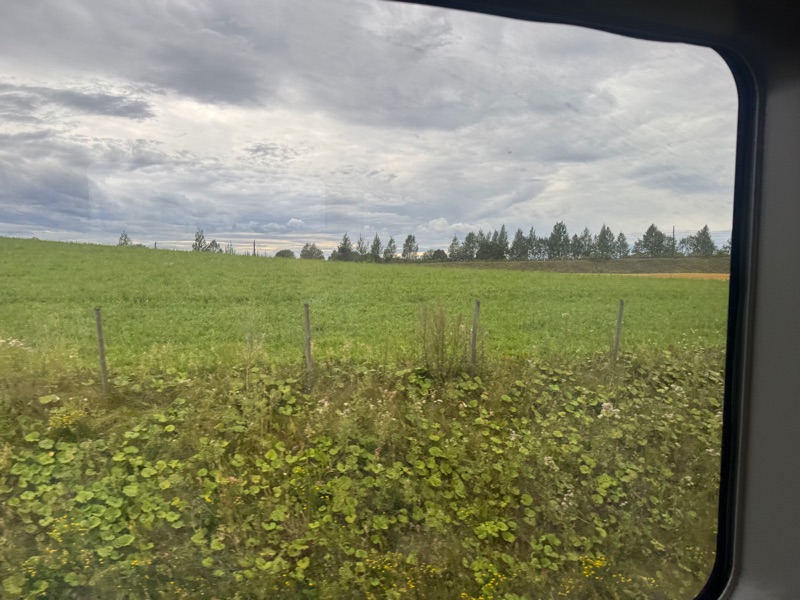
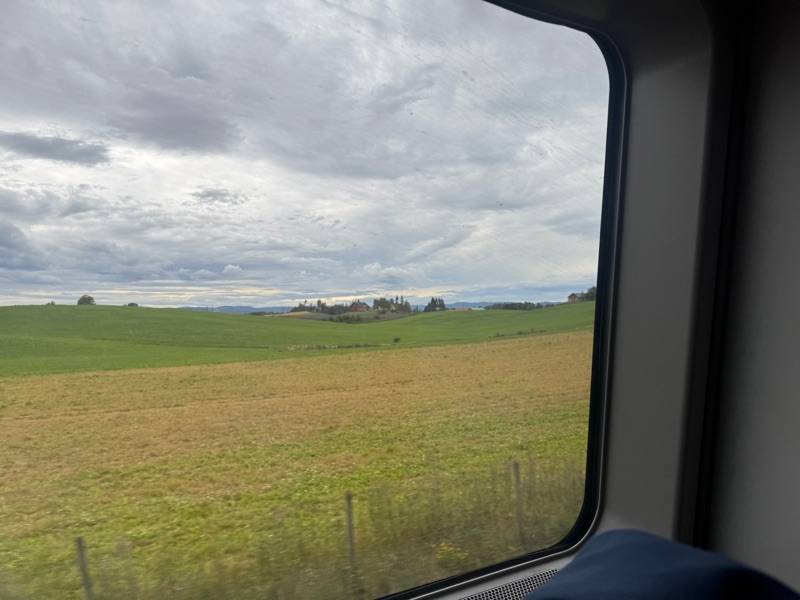
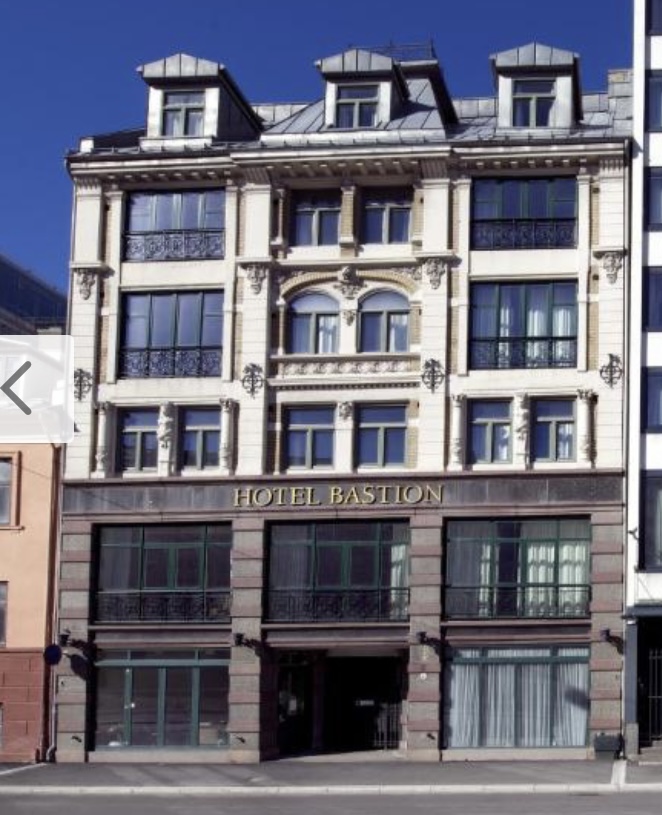
In the interest of sanity, we’re going to skip, for now, the transit from Oslo through Trondheim to Bergen. We’ll come back to it.
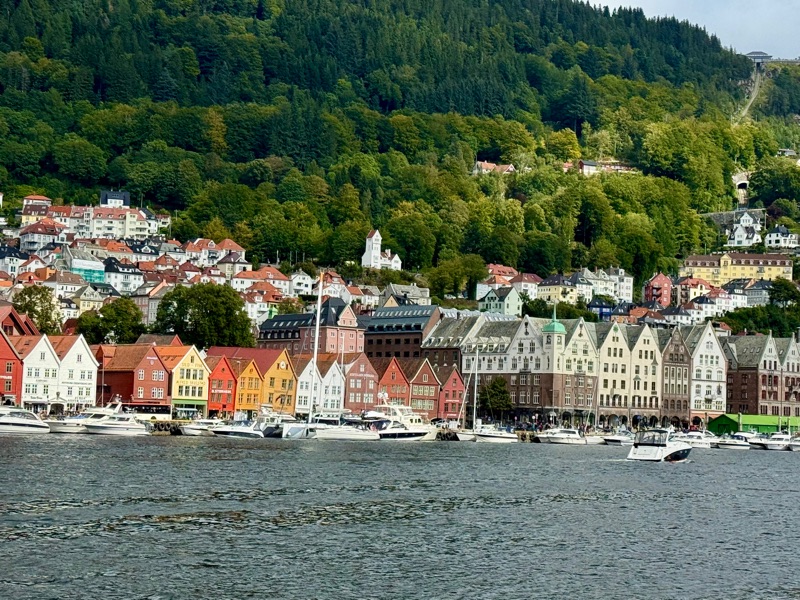
On Friday we settled in Bergen, Norways 2nd largest city. It’s also the most rainy city in Europe with 230 days of rain. The city is 180 sq miles, 289k population. It’s a popular cruise ship and tourist destination. They used to have 6 cruise ships in port each day.
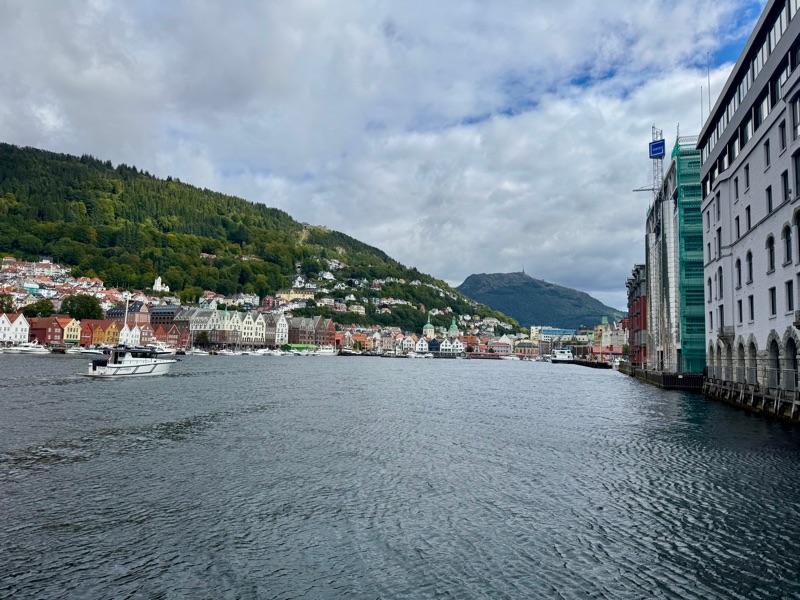
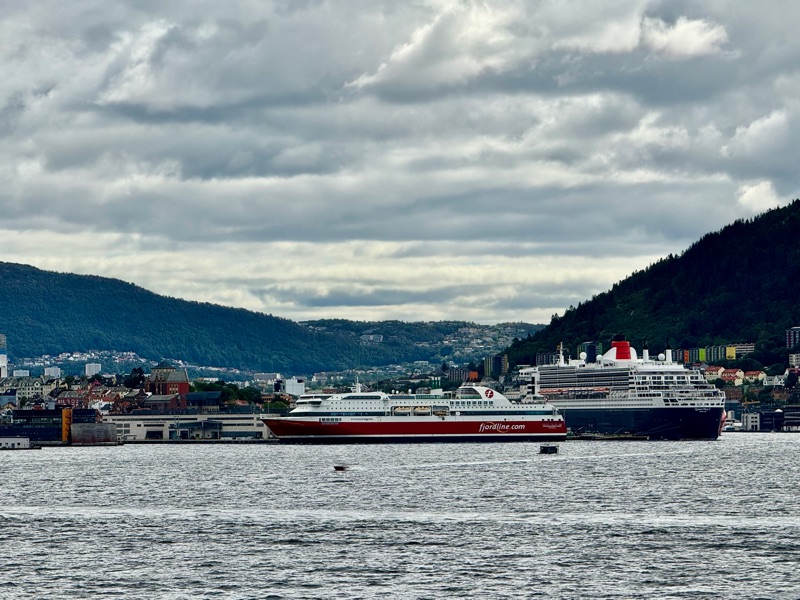
As part of their efforts to reduce carbon emissions the port put. in 3 electric docking stations and required the ship to shut down their engines. So now they have 3 ships at a time, they have reduced pollution and have 1/2 the tourist crowds on any given day. But by better scheduling the docking they have been able to maintain the annual tourist visits Norway intends to be carbon neutral by 2030. Most of the power is generated by small hydroelectric installations
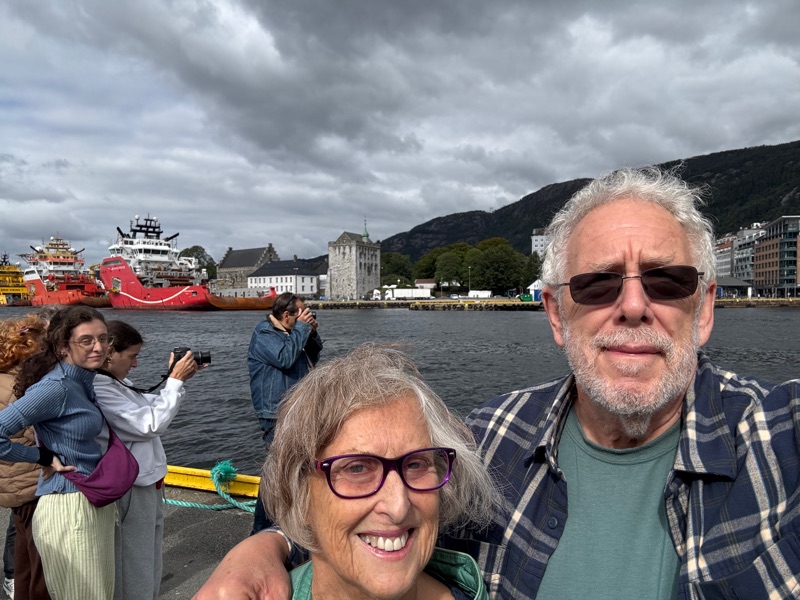
Founded in 1070 it was a major hub in the Hansestic league were trading moved huge quantities of dried fish until 1800 it was also the biggest “wool city in Europe here was the original palace from the 11th century (on right) and armory (on left) The top two floors of the palace were added some time later
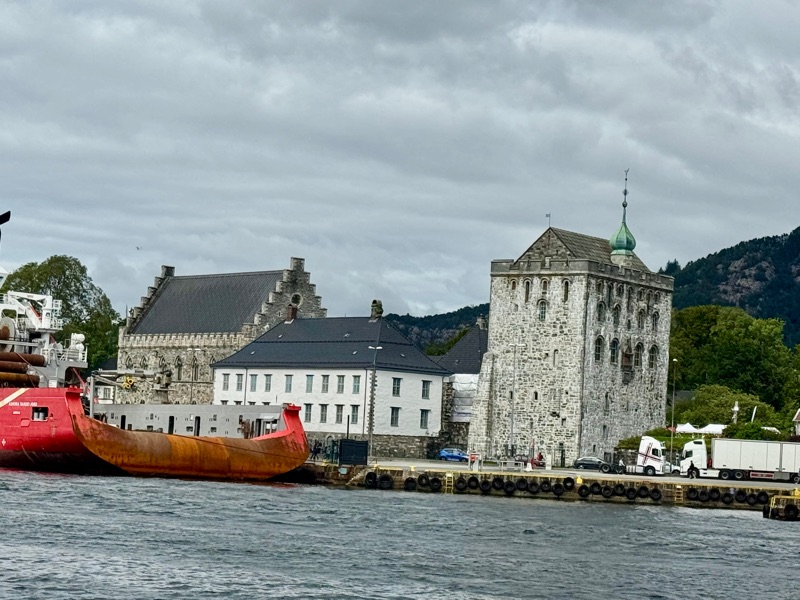
Now, of course there are also the huge oil deposits being harvested out to sea to the west of the country - the only evidence of this are the oil rig service boats (completed with helipads) that come in for supplies.
Look below how closely the building are to each other. Initially there would be wide streets built some distance back from the warehouse district to serve as a fire break.
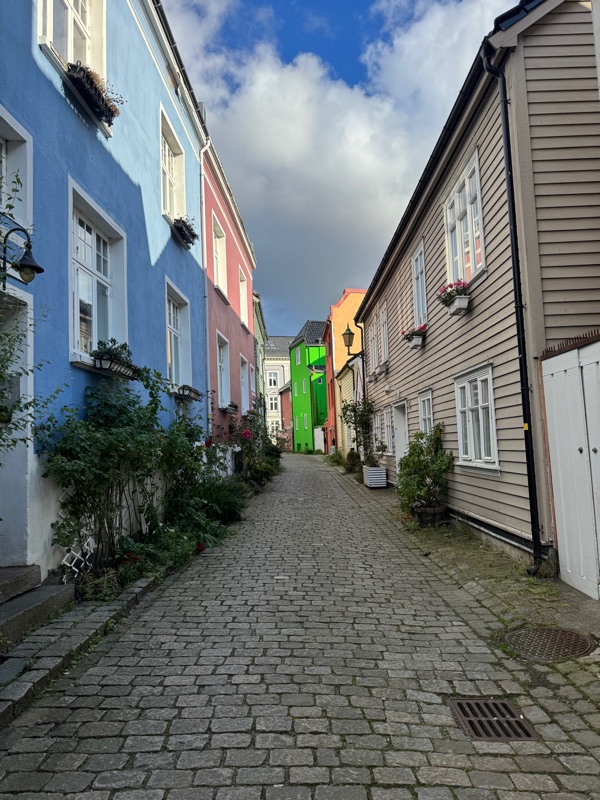
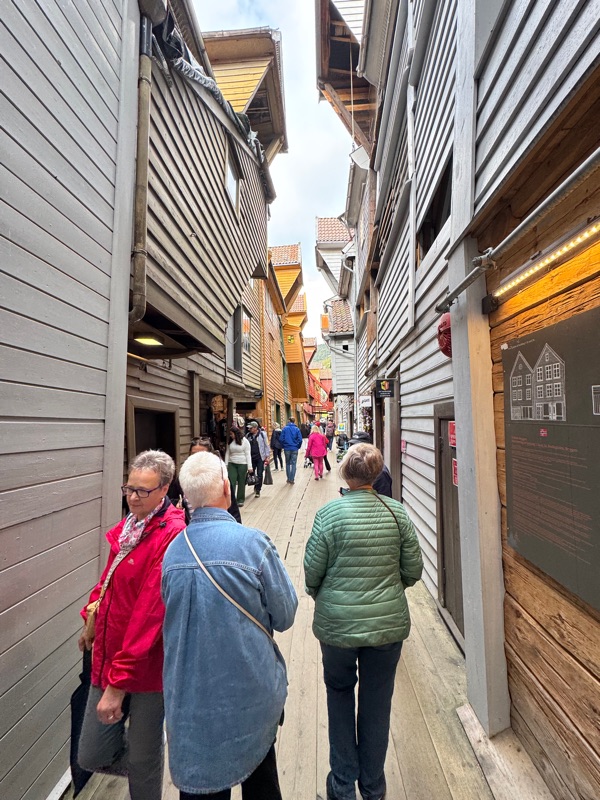
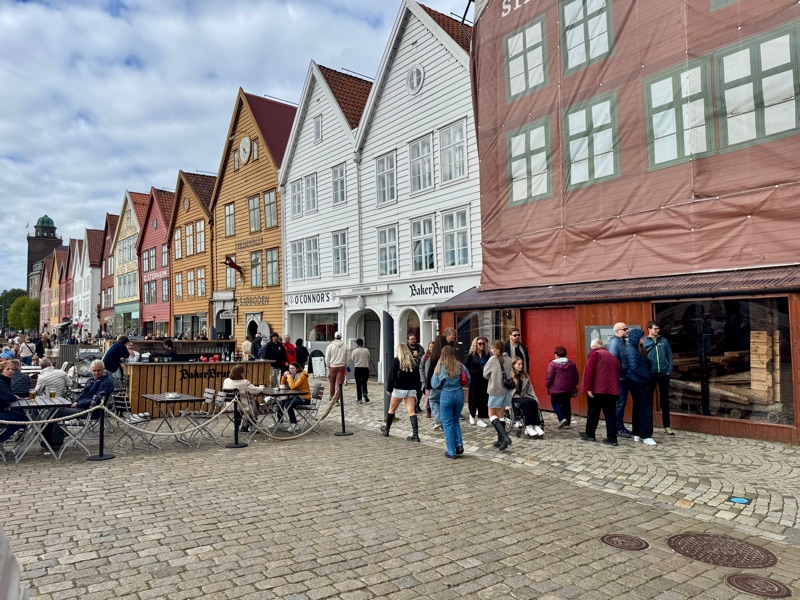
Here is a scale model of the area from the 18th century


But after the huge fire of 1702, it was decided that new construction had to be of stone. The iconic image that greats you are the only remaining wood structures - part of a UNESCO heritage site. Built without nails and restored using original style tools and techniques they now serve as museums of the Hanseatic warehouses with some spaces converted to shops and pubs.


Bergen has an interesting garbage retrieval. They have special garbage cans. When you put your garbage in it, it is suctioned for 45 miles and then recycled. Half of the garbage goes to Sweden, where they use the recycled garbage for energy. The balance stays in Norway.